Loading...
- Home

- Blogs
- Credit Score
- Does Increasing Credit Limit Affect Credit Score
Does Using 100% of Your Credit Card Limit Hurt Your Credit Score?
Reviewed by: Fibe Research Team
- Updated on: 31 Mar 2026
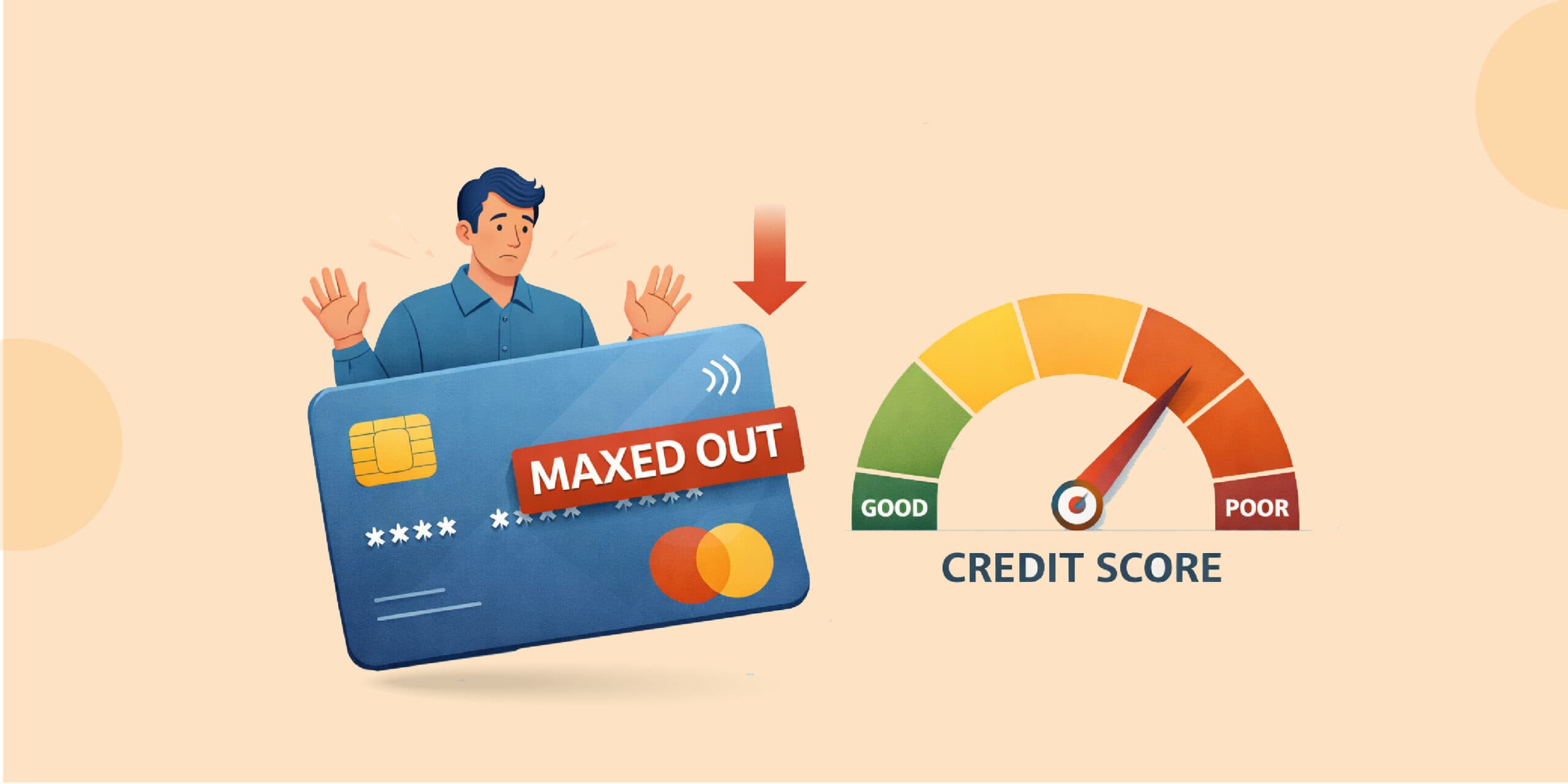
Yes. Using 100% of your credit card limit can negatively impact your credit score. It signals to lenders that you may be over-dependent on credit, which increases your perceived risk even if you pay your bill on time.
Table of Contents
What is Credit Utilisation?
The Credit Utilisation ratio is the amount of Credit Utilisation you are using compared to the amount of Credit Utilisation available to you. For example let us say your Credit Utilisation limit is ₹1,00,000 and you have spent ₹50,000 then your Credit Utilisation ratio is 50%.
This is important because it helps people decide if they should lend you money or not. It shows how you spend your money and if you are good, at managing your money. In words Credit Utilisation shows how much of your Credit Utilisation limit you use every month.
According to Experian, Credit Utilisation is a part of your credit score. Around 30%. This makes Credit Utilisation very important after how you pay your bills on time.
How Using 100% of Your Credit Limit Impacts Your Credit Score?
Maxing out your card doesn’t just feel risky but it actually is, from a credit scoring perspective. Here’s how it affects you:
- Higher Risk Perception
- Using your full limit indicates potential financial stress, impacting the relationship between your credit card limit and credit score.
- Immediate Score Drop
Credit bureaus track usage in real-time cycles. A spike to 100% can quickly lower your score due to poor credit card utilisation.
- Negative Impact Even with Timely Payments
Many people assume paying on time is enough. But how credit utilisation affects credit score goes beyond payment, it also evaluates how much credit you use.
- Reduced Borrowing Power
Lenders may hesitate to approve loans or increase limits when your credit card utilisation is consistently high.
- Lower Creditworthiness for Future Loans
A high credit utilisation ratio signals dependency on credit, which weakens your overall profile.
According to TransUnion CIBIL, maintaining low utilisation is key to a strong credit score in India.
Ideal Credit Utilisation Ratio for a Healthy Credit Score
Experts generally recommend keeping your credit utilisation ratio below 30%. Staying within this range shows responsible usage and improves your chances of maintaining a strong score.
For instance,
- Below 30% → Healthy
- 30–50% → Moderate risk
- Above 75% → High risk
- 100% → Very high risk
This is where understanding how credit utilisation affects credit score becomes important. Even if your credit card limit and credit score seem unrelated at first, your usage bridges the gap between them.
In short, controlled credit card utilisation = better credit health.
Example of How Maxing Out a Credit Card Affects Your Score
Let’s say Rahul has a credit card with a ₹1,00,000 limit.
- Month 1: Uses ₹25,000 (25%) → Score remains stable
- Month 2: Uses ₹90,000 (90%) → Score drops slightly
- Month 3: Uses ₹1,00,000 (100%) → Noticeable drop in score
Even if Rahul pays the full amount on time, the spike in his credit utilisation ratio sends a red flag to lenders.
This example clearly shows the link between credit card limit and credit score; it’s not just about how much credit you have, but how wisely you use it.
Final Takeaway
Using 100% of your credit card limit isn’t just a temporary spike; it can leave a lasting dent in your credit profile. The key is balance: use your card actively but keep your credit utilisation ratio low to maintain a strong score.
To know more about your credit score, check your credit score for free online on Fibe. Our score health report will help you understand the areas you need to improve so you can implement it and strengthen your credit score. Check our website now or download the app today!
FAQs on Credit Utilisation Ratio
What happens if I use my entire credit card limit?
Using your full limit (100%) can significantly lower your credit score. It signals high dependency on credit and increases your risk profile, even if you repay on time.
What happens if I use 90% of my credit card limit?
At 90%, your credit card utilisation is still considered very high. This can lead to a moderate drop in your score and may affect loan approvals or limit increases.
Is it bad to use 80% of your credit card limit?
Yes, 80% usage is still risky. While not as severe as 100%, it negatively impacts your credit utilisation ratio and signals potential over-reliance on credit.
What happens if I use 40% of my credit limit?
Using 40% is relatively safer but slightly above the ideal threshold. It may not harm your score significantly, but keeping it under 30% is better for long-term credit health.
Share

Select Category
Recent blogs
Our top picks
Can Millennial Stress be Resolved by Financial Wellness?
Finance | 3 mins read
How Organisations Can Measure the Impact of Financial Wellness Programs
Finance | 3 mins read
How Can HR help Overcome Staffing Challenges in the Digital Age?
Corporate | 3 mins read
5 Signs of A Good HR Function
Corporate | 3 mins read