Loading...
- Home

- Blogs
- Loan Management Tips
- Take A Pledge This Republic Day To Attain True Financial Freedom
Republic Day Financial Pledge: Start Your Journey Towards Financial Freedom
Reviewed by: Fibe Research Team
- Updated on: 23 Jan 2026
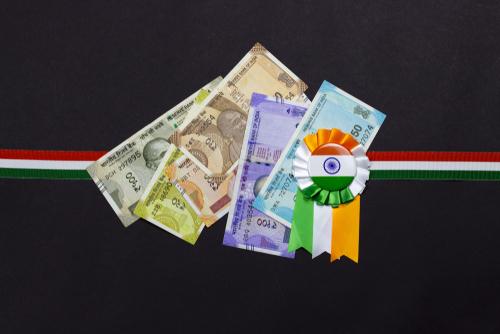
Financial freedom isn’t about being super-rich. It’s about having enough savings, investments, or steady income to live life on your own terms without constantly worrying about money. If the question occurs, ‘what is financial freedom?’ Simply, it’s the confidence that your finances won’t hold you back from your dreams. It also means achieving financial security—where your money works for you, not the other way around.
As we celebrate the 77th Republic Day on 26th January 2026, a day that stands for independence and responsibility, it’s the perfect time to take a fresh pledge — a pledge to become financially independent. With rising expenses and changing lifestyles, now is the right moment to rethink how you manage your money and learn how to get to financial freedom, one smart step at a time.
Table of Contents
Why is Financial Freedom Important?
Financial freedom gives you control over your choices, your future and your peace of mind. It allows you to handle emergencies, plan big life goals and face uncertainties without panic. One major reason this matters today is inflation.
Why inflation affects your financial freedom is simple: as prices rise, your money’s purchasing power falls. Without proper planning, saving and investing, even a good income can feel insufficient.
Simple Tips to Achieve Financial Freedom
Here are some practical and achievable steps to get started:
- Track your income and expenses
Knowing where your money goes helps you cut unnecessary spending and save more intentionally. You can track your income and expenses using budgeting apps like Walnut, Money View, or ET Money, or keep it simple with a monthly expense spreadsheet or a daily spend tracker.
- Set clear short-term and long-term goals
Whether it’s travel, education, or retirement, defined goals keep you financially focused.
- Build an emergency fund
Having a backup ensures sudden expenses don’t disturb your monthly finances or long-term plans.
- Invest wisely with asset diversification
Asset diversification simply means not putting all your money in one place. Instead, spread it across options like mutual funds, fixed deposits, or RDs. A good starting point is to keep investments or savings equal to 3-6 months of your expenses as a safety net. This balance helps reduce risk and keeps your money growing steadily over time.
Remember, the ideal mix depends on your financial goals and how much risk you’re comfortable taking.
- Manage debt responsibly
Loans can help when used wisely, but EMIs should always fit comfortably within your budget.
- Review your financial plan regularly
Life changes, income changes but your financial plan should evolve with them.
Using Loans Smartly in Your Financial Journey
While savings and investments are crucial, there are times when expenses can’t wait. A well-planned loan can help bridge the gap without derailing your goals. The key is to borrow responsibly and ensure repayments are manageable.
Use Cases Where Loans Can Help You Move Forward
When used wisely, loans can support important life needs such as:
- Education expenses to invest in long-term growth
- Medical emergencies without exhausting your savings
- Travel plans that don’t need to be postponed
- Shopping or festive needs managed through easy EMIs
- Bill payments or short-term cash gaps handled stress-free
Take the Republic Day Pledge
This Republic Day, let’s pledge to be more mindful of money. Save consistently, invest smartly, borrow responsibly and stay prepared for uncertainties. Financial freedom isn’t built overnight — it’s built through small, disciplined choices made every day.
At Fibe, we understand that life doesn’t always go as planned. That’s why we offer instant personal loans that are quick, transparent and flexible.
With Fibe, you can get up to ₹10 lakhs in just a few minutes with flexible repayment tenures starting from 6 months to 36 months. Download the app today!
Frequently Asked Questions
What are the best money habits I should adopt this Republic Day?
Start budgeting, save regularly, diversify investments and avoid unnecessary debt.
What does financial freedom really mean in daily life?
It means covering expenses comfortably, handling emergencies calmly and making choices without constant money stress.
How can financial freedom reduce stress in my life?
When you’re financially prepared, unexpected expenses feel manageable instead of overwhelming.
How do I become financially independent in India?
By building disciplined saving habits, investing with diversification, managing debt responsibly and planning long-term.
Can taking a personal loan affect my financial freedom?
Not if used wisely. A well-planned personal loan can help manage important expenses without disturbing long-term financial stability.
Share

Select Category
Recent blogs
Fixed Deposits vs. Government Bond: Which one is safer?
Fixed Deposit | 3 mins read
Fixed Deposit vs Certificate of Deposit: A Comprehensive Guide (2026)
Fixed Deposit | 3 mins read
Does Debit Card EMI Affect Credit Score? Here’s the Simple Truth
Personal Loan | 3 mins read
What is an EMI Bounce Charge and Why Does It Matter?
Personal Loan | 3 mins read
Our top picks
Can Millennial Stress be Resolved by Financial Wellness?
Finance | 3 mins read
How Organisations Can Measure the Impact of Financial Wellness Programs
Finance | 3 mins read
How Can HR help Overcome Staffing Challenges in the Digital Age?
Corporate | 3 mins read
5 Signs of A Good HR Function
Corporate | 3 mins read