Personal Loan for Low CIBIL Score: How to Get Approved in 2026
Reviewed by: Fibe Research Team
- Updated on: 4 Jun 2026
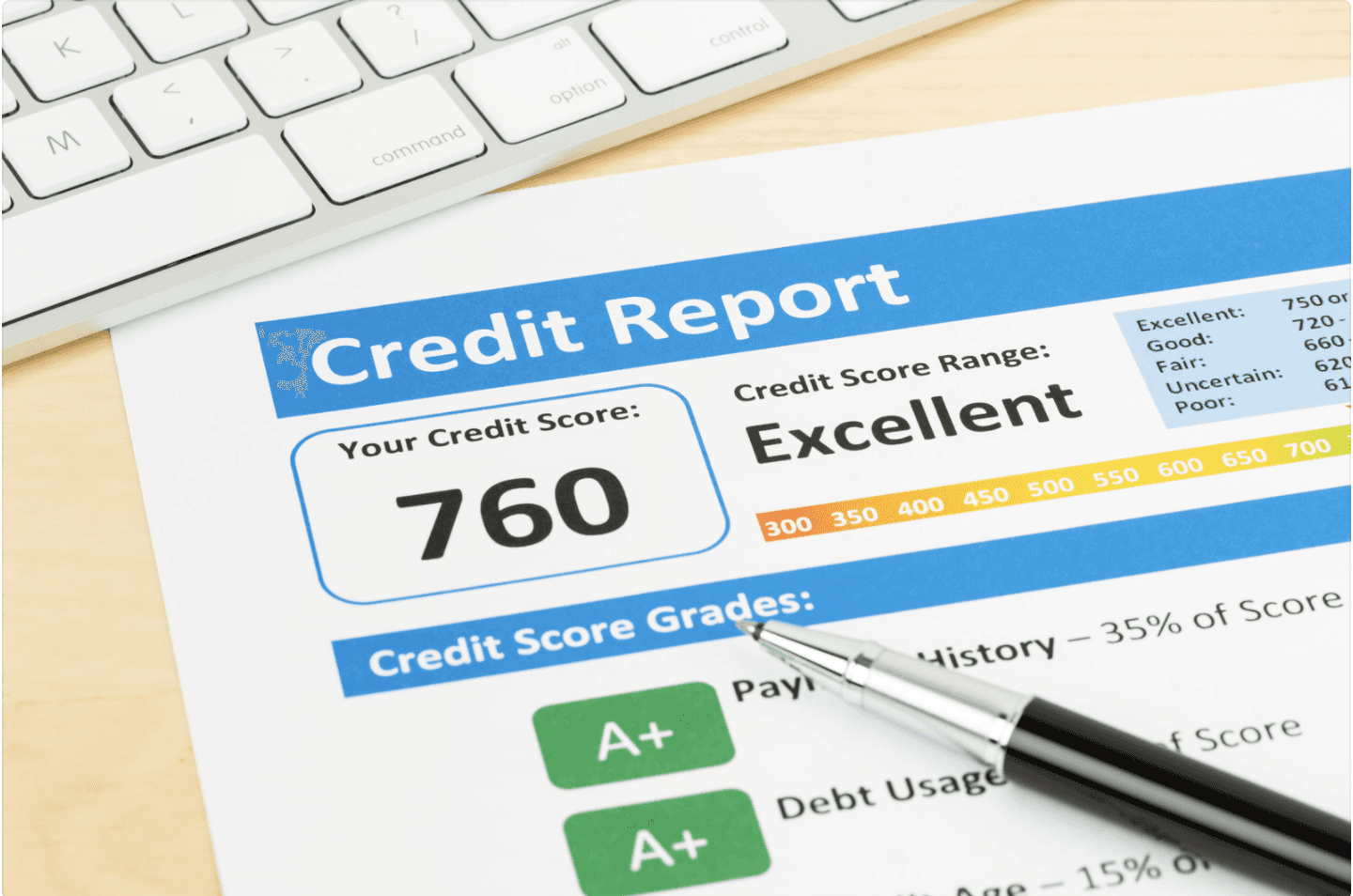
You can get a personal loan with a low CIBIL score in 2026, but approval may depend on more than your score alone. Lenders can also assess your income, employment stability, repayment capacity, current EMIs, banking behaviour and overall financial discipline. A low CIBIL score may reduce approval chances or lead to stricter terms, but it does not always mean automatic rejection.
For example, a salaried employee with a score of 620 but regular salary credits, low existing EMIs and no recent bounced payments may still have a stronger application than someone with a higher score but unstable income. Similarly, a self-employed applicant with a low score can improve eligibility by submitting bank statements, ITRs and proof of consistent business income.
Personal loans can help during urgent financial needs such as medical expenses, home repairs, wedding costs, education fees or debt consolidation. Since they are unsecured loans, lenders carefully check your creditworthiness before approval.
Table of Contents
- What is a Low CIBIL Score for a Personal Loan?
- CIBIL Score Ranges and Their Impact on Personal Loan Approval
- Know CIBIL Score and Its Impact on Personal Loans
- How to Get a Personal Loan Without Relying Only on Your Credit Score?
- How to Improve Your CIBIL Score for a Personal Loan?
- Why Choose Fibe for a Personal Loan with Low CIBIL Score?
- FAQs on Personal Loans with a Low CIBIL Score
What is a Low CIBIL Score for a Personal Loan?
A CIBIL score is a 3-digit number that reflects your credit history and repayment behaviour. It generally ranges from 300 to 900. For most personal loans, a score of 750 and above is considered strong because it shows responsible credit behaviour. A score below 650 is usually seen as low and may indicate delayed payments, high credit utilisation, multiple loan enquiries or limited credit history.
However, credit scores are not the only factor. RBI’s credit information framework recognises the role of credit information reports in fresh credit decisions, while also giving consumers the right to access their credit report and seek corrections in case of errors. This is important because an incorrect overdue entry or wrongly reported loan can affect your loan eligibility.
CIBIL Score Ranges and Their Impact on Personal Loan Approval
| CIBIL Score Range | Credit Health | Impact on Personal Loan Approval |
|---|---|---|
| 750–900 | Excellent | Higher approval chances, better loan terms and possibly lower interest rates |
| 700–749 | Good | Good approval chances, subject to income and lender policy |
| 650–699 | Fair | Approval may be possible, but rates or documentation needs may be higher |
| 600–649 | Low | Higher rejection risk; lender may ask for stronger income proof |
| Below 600 | Poor | Approval can be difficult; secured loan or co-applicant may help |
| No credit history | New to credit | Approval depends on income, employment and alternate assessment |
Know CIBIL Score and Its Impact on Personal Loans
Your CIBIL score gives lenders a quick view of how you have handled past credit. It is influenced by repayment history, outstanding dues, credit utilisation, credit mix and recent enquiries. TransUnion CIBIL’s personal loan score framework considers factors such as overdue amount and repayment behaviour to assess credit risk.
Here’s how it usually impacts your application:
- High score = better approval odds: A score of 750+ can improve your chances of approval and may help you get better terms.
- Low score = higher lender risk: A score below 650 can lead to stricter checks, higher interest rates or rejection.
- Mid-range score = conditional approval: Scores between 650 and 749 may still be accepted if your income and repayment capacity are strong.
Real-life scenario
Suppose Ravi earns ₹55,000 per month and already pays ₹22,000 in EMIs. Even if his score is 690, a lender may hesitate because nearly 40% of his income is already going towards debt. On the other hand, Neha has a score of 640 but earns ₹70,000 per month, has only one small EMI and maintains stable bank balances. Her approval chances may be better because her repayment capacity looks stronger.
How to Get a Personal Loan Without Relying Only on Your Credit Score?
Even with a low score, you can strengthen your loan application by proving that you can repay comfortably.
1. Show Stable Income Proof
Submit recent salary slips, bank statements, Form 16 or ITRs. Regular income reassures lenders that you can manage EMIs.
Example: If your CIBIL score is 610 but your bank statement shows regular salary credits and sufficient balance after expenses, your profile may still be considered.
2. Apply for a Lower Loan Amount
A smaller loan reduces lender risk. Instead of applying for ₹5 lakhs immediately, applying for ₹1 lakh or ₹1.5 lakhs may improve approval chances.
3. Add a Co-applicant or Guarantor
If your score is low, a co-applicant with a good credit score and stable income can support your application.
Example: A newly employed borrower with a limited credit history may apply with a parent or spouse who has a stronger repayment record.
4. Maintain a Healthy Debt-to-Income Ratio
Try to keep total EMIs within 40–45% of your monthly income. This shows that you are not overburdened.
5. Avoid Multiple Loan Applications
Every hard enquiry can affect your credit profile. Multiple applications in a short period may signal credit hunger and reduce approval chances.
6. Choose Lenders with Alternate Credit Assessment
Some digital lenders assess income, banking patterns, employment stability and repayment ability along with your CIBIL score.
7. Consider Secured Loan Options
If an unsecured personal loan is difficult, you may explore loans against FD, gold or other collateral. Since the loan is backed by security, approval may be easier.
How to Improve Your CIBIL Score for a Personal Loan?
Improving your CIBIL score takes time, but consistent repayment habits can make a visible difference.
1. Pay EMIs and Credit Card Bills on Time
Payment delays can affect your score. Set auto-debit reminders to avoid missing due dates.
2. Reduce Credit Card Utilisation
Try to keep usage below 30% of your credit limit. If your limit is ₹1,00,000, keeping outstanding dues below ₹30,000 is a healthier practice.
3. Clear Overdue Amounts First
If you have pending dues, clear them as soon as possible. Overdue amounts are a red flag for lenders.
4. Avoid Frequent Loan Enquiries
Apply only after checking basic eligibility. Too many enquiries can make lenders cautious.
5. Check Your Credit Report Regularly
RBI has highlighted the importance of access to credit reports for individuals. Review your report for errors such as closed loans showing active, incorrect overdue amounts or duplicate accounts.
6. Raise Disputes for Incorrect Entries
If you find an error, raise a correction request with the credit bureau or lender. An incorrect negative entry can affect your personal loan eligibility.
7. Build a Positive Repayment Track Record
Start small, repay on time and gradually build trust with lenders. For new-to-credit users, even small credit products can help create a repayment history.
Why Choose Fibe for a Personal Loan with Low CIBIL Score?
Fibe makes the personal loan journey faster, simpler and more accessible for eligible customers. Instead of evaluating only one factor, Fibe may assess your broader repayment ability to help you access credit when you need it.
Key advantages include:
- Personal loan of up to ₹10 lakhs, based on eligibility
- Quick digital application process with minimal paperwork
- Fast approval and disbursal for eligible customers
- Flexible repayment options to manage EMIs comfortably
- Useful for urgent needs such as medical bills, travel, education, home repairs or debt consolidation
- Alternate eligibility assessment that may consider more than just your CIBIL score
A low CIBIL score should not stop you from exploring responsible credit options. With the right documents, realistic loan amount and disciplined repayments, you can manage your current need and work towards improving your credit health.
FAQs on Personal Loans with a Low CIBIL Score
1.How to get an NBFC personal loan with a poor credit score?
You can apply with an NBFC or digital lender that considers alternate data points along with your credit score. Fibe assesses your eligibility and repayment ability before offering a personal loan.
2. What is the optimal credit score required when availing a personal loan?
A CIBIL score of 750 or above is generally considered ideal. However, some lenders may also consider lower scores if your income, employment stability and repayment capacity are strong.
3.What is considered the lowest score for personal loan approval?
There is no universal lowest score for all lenders. Many banks may be cautious below 600, while some NBFCs or digital lenders may still evaluate your profile based on other eligibility factors.
4.Can I improve my CIBIL score?
Yes. Pay EMIs on time, clear overdue dues, reduce credit card utilisation, avoid multiple applications and check your credit report regularly.
5.Can I get a personal loan with a CIBIL score of 550?
It may be difficult, but not impossible. You may need strong income proof, a lower loan amount, a co-applicant or a lender that uses alternate credit assessment.
6.What documents are required for a personal loan with a low CIBIL score?
Common documents include PAN card, Aadhaar card, address proof, salary slips, bank statements and income proof. Self-employed applicants may also need ITRs or business income proof.
7.Does Fibe check CIBIL score for personal loan approval?
Fibe may check your credit profile as part of the loan evaluation process. However, it may also consider other factors such as income, employment details, banking behaviour and repayment capacity before making a decision.